
Tools on Wheels, Skills in the Hills
Why Shared Tools Matter Outside the Ring Road
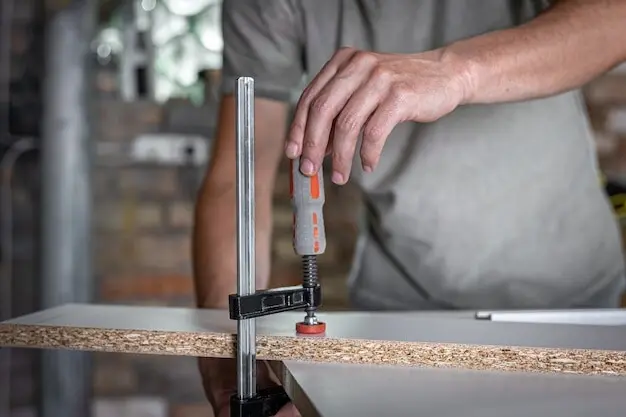
The affordability dividend
Time saved, journeys avoided
From sheds to shared hubs
Designing a Mobile Service That Actually Works
Routes shaped by people, not postcodes
Plan loops around lived patterns—market mornings, school pick‑ups, and repair café evenings—rather than arbitrary boundaries. Ask parish councils where vans can park safely, and trial alternate-week visits so small villages get reliable service. Publish routes early, stick to them, and invite feedback to nudge timings without breaking hard-won community trust.
Stock that respects rural jobs and hobbies
Carry sturdy cordless kits, masonry bits for old stone cottages, ladders safe for farmhouse gutters, and craft tools for quilting groups. Include PPE sized for teenagers and seasoned volunteers alike. Rotate seasonal items—de-thatchers, dehumidifiers, festival kit—and label cases clearly so borrowers unpack confidently, finish tasks, and return equipment spotless.
Reservations that work beyond signal blackspots
Offer app booking for strong-signal towns, SMS reservations for patchy valleys, and phone hotlines for those who prefer a quick chat. Print stop schedules, tape QR codes inside parish halls, and let volunteers confirm loans offline, syncing later. Flexible systems meet borrowers where they are, not where coverage looks perfect.

Inductions without intimidation

Maintenance rituals that travel well
Partnerships that Put Wheels on Ideas

Anchoring stops in familiar places
Funding that blends grants and goodwill
Stories that travel faster than vans
Digital Tools for Borrowing Physical Ones
Simple sign-up for spotty signals
Offer paper forms, quick QR links, and staff-assisted onboarding at the van. Keep ID checks proportional and privacy-minded. Let people update details by text, not only online portals. When barriers fall away, occasional borrowers—often the busiest neighbours—discover how friendly, fast, and fuss-free community lending can truly feel.
Inventory that speaks plain English
Describe outcomes, not only model numbers: “cuts porcelain tiles,” “reaches two-storey gutters,” “quiet enough for evenings.” Add photos, size context, and must-have accessories. Suggest safety gear and compatible consumables. Clear language reduces mistakes, accelerates pick-ups, and empowers first-timers to choose confidently without guessing which obscure spec actually matters.
Getting Started and Staying Rolling

